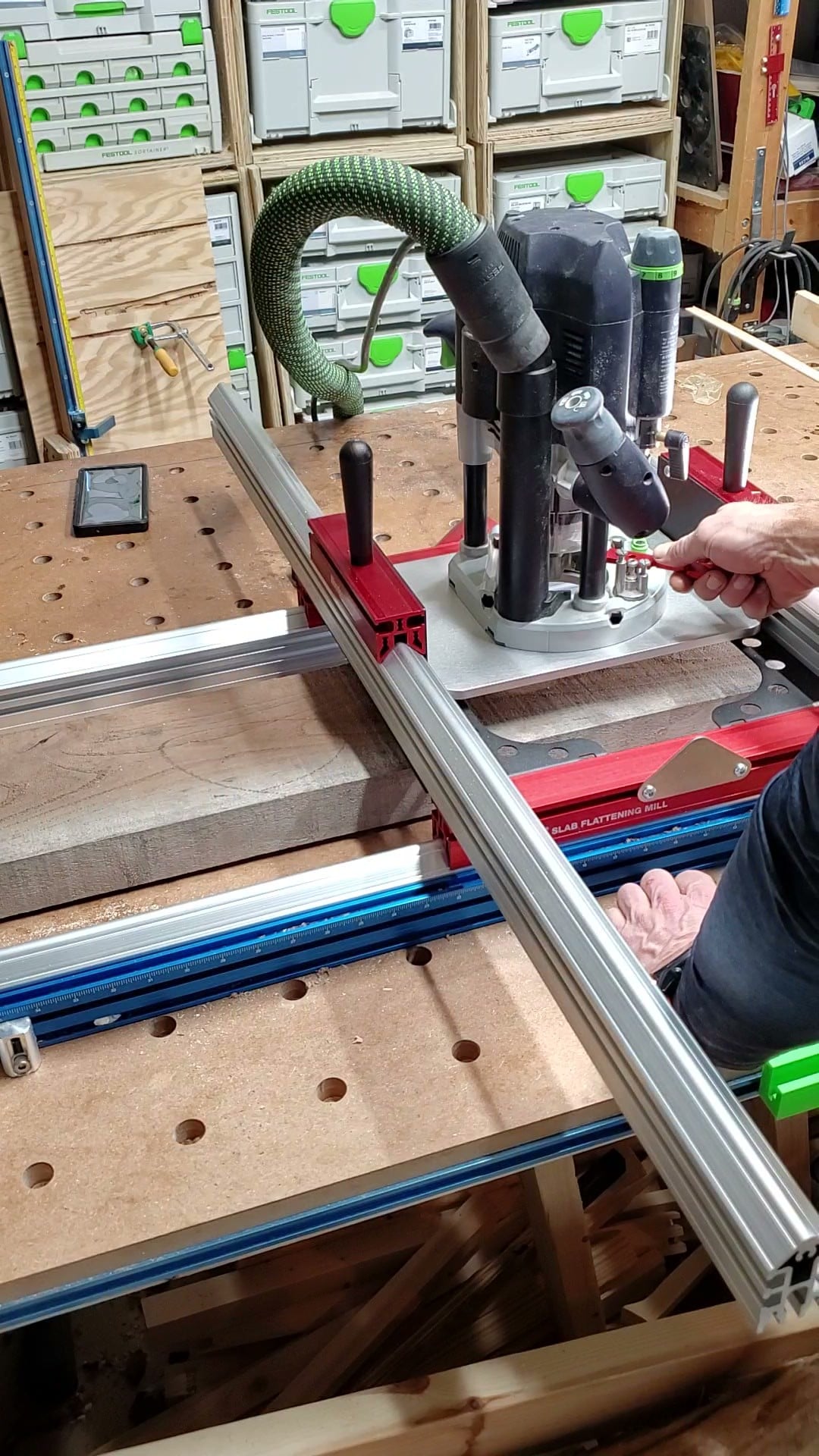
The Powell shop
Where a rough idea becomes measurable, joinable, and useful.
Meet the maker
I’m Steve Moore. I design and build solid-wood furniture and everyday keepsakes one at a time in Powell, Ohio.
Why The Sawdust Sanctuary
The name is literal. The shop is where I can be alone, let go, and do work I love. If I walk in with the wrong headspace, making something useful has a way of resetting it.
Woodworking became more than a hobby when I moved beyond simply fastening boards together and started learning traditional joinery. Putting down the drill and reaching for the router or chisel made the work feel more connected—less like assembly, more like understanding.
That does not mean every cut becomes sacred. It means every decision remains accountable. Human hands. Human judgment. No maker mythology required.
Where a rough idea becomes measurable, joinable, and useful.
The room comes first
The first conversation usually starts with the space: what happens there, what is missing, what already belongs, where the light comes from, and how the new piece should live with everything around it.
A customer does not need woodworking vocabulary or a finished drawing. A frustrating corner, an empty wall, or a daily routine that needs a better landing place is enough to begin.
The concept and the room set the direction. Material, proportion, and joinery follow.
How I think about the work
The finished piece should look inevitable in its room, even when the solution behind it was anything but.
The Latitude C-table began with an oversized phone, the largest coffee mug I could find, a handful of remotes, and a sectional that did not need another full-size end table.
I avoid mechanical fasteners when the construction allows it. There is something satisfying about a piece that appears simple until you realize it is largely holding itself together.
I run my hands over a piece with my eyes closed. A desk can look perfect and still fail if it catches a sleeve every time someone sits down to use it.
First: can it be salvaged without compromising the work? If not, I decide how many steps to go back. Sometimes the answer is immediate replacement and another trip through the mill.
The other sanctuary
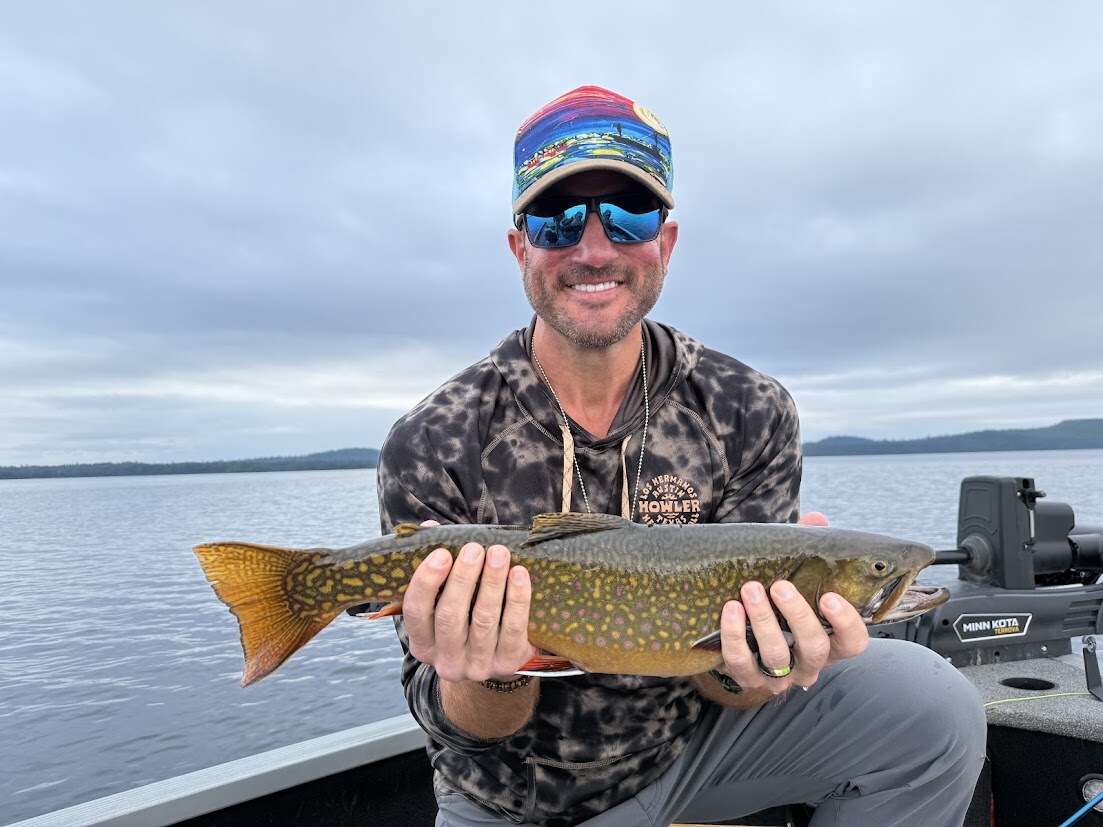
Fishing came first. The river is the other place where I lose track of time and pay complete attention to what is happening in front of me.
I teach fly-fishing lessons locally, serve as a standing instructor at a private central Ohio trout club, tie flies and leaders commercially, and travel whenever I can to fish water that asks something different of me.
The honest connection to woodworking is not a tidy brand metaphor. Both reward adaptation. The plan matters, but so does noticing when the wind, current, grain, or tool is telling you to change it.
“If you’re not adapting, you’re not having all the fun you could.”
Built for the long haul
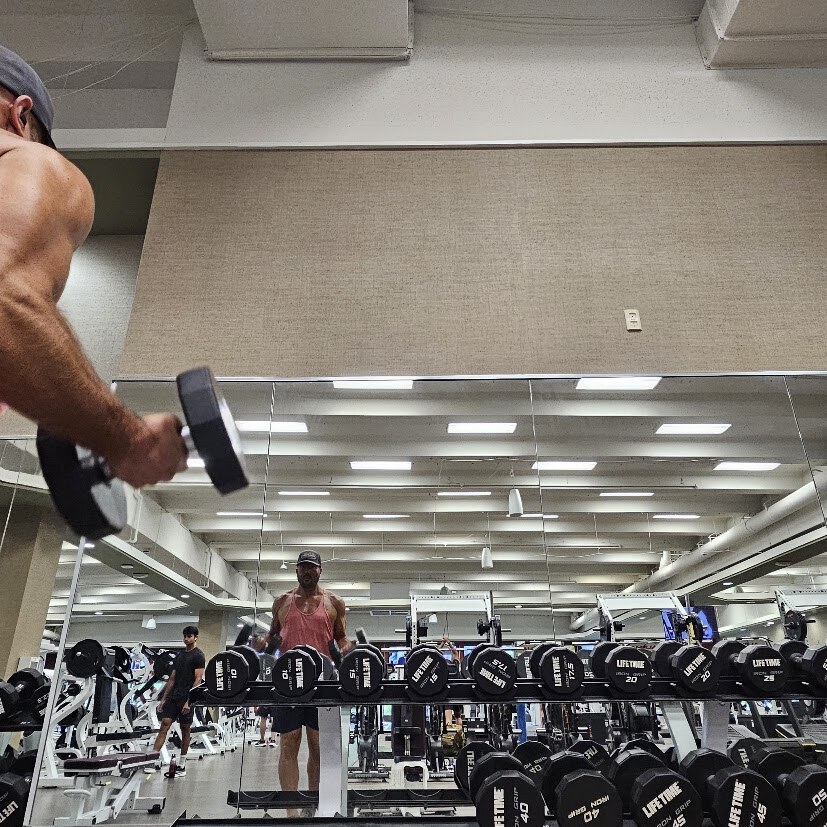
I lift because I want the strength and health to keep building, fishing, teaching, and showing up for the rest of my life.
Woodworking is physical work, even when the finished photographs look calm. Lumber has to be moved. Tools have to be controlled. Furniture has to leave the shop and arrive intact. Training helps me keep enough strength in reserve to do all of that well.
I am not here to turn every set into a profound brand metaphor. I like the gym. I like getting stronger. Staying healthy gives me more runway for the things I care about—and enough in reserve for Ava’s walk after a long day in the shop.
Meet the supervisor
Ava is my middle-aged, white-socked best buddy and the shop’s largely self-appointed authority.
She patrols for mice, frogs, and dropped food; tolerates most shop noise; and would strongly prefer that the CT26 dust extractor never start again. Her actual management responsibilities are making sure I stop for walks and produce the after-dinner Greenie on schedule.
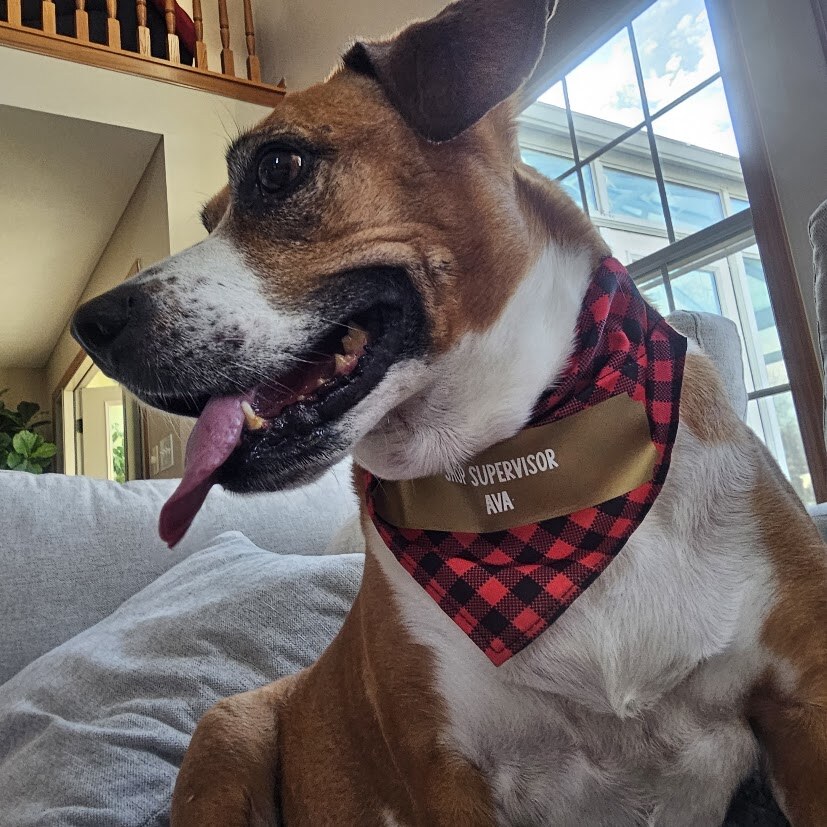
You may not know what she is thinking, but you know she is thinking something about you.
Where the wood begins
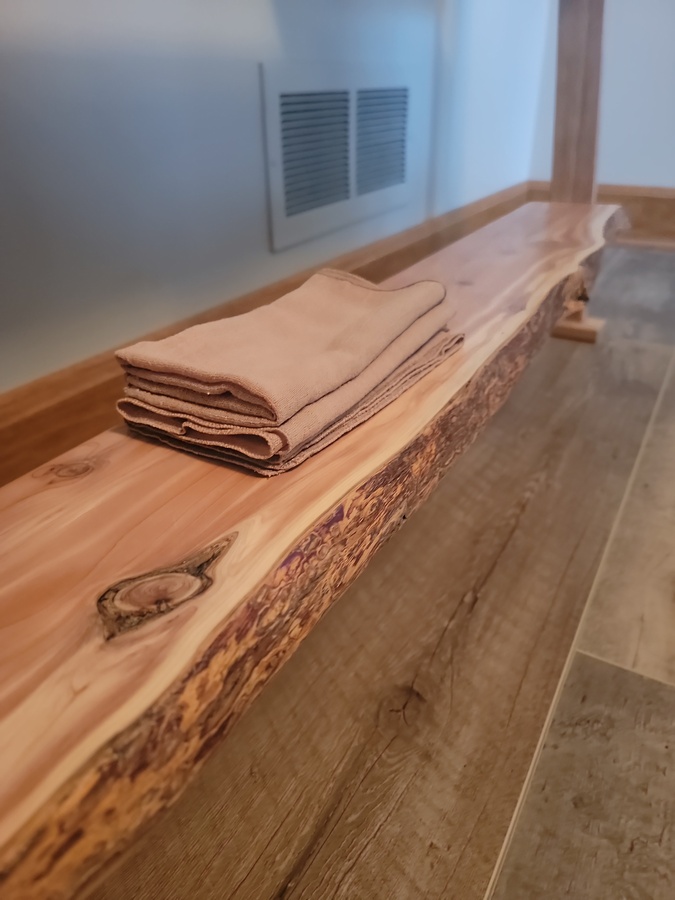
I work with locally sourced hardwood, including wood from trees recovered around Powell and Delaware County, Ohio.
Some of the walnut or maple in a finished piece may have grown just a few miles from my shop.
Powell, Columbus, and beyond
The shop is in Powell, and custom projects can serve homes across verified Central Ohio areas—including Columbus, Dublin, Westerville, Worthington, Upper Arlington, and the surrounding region.
Consultation, pickup, delivery, and installation depend on the piece. The useful rule is simple: work it out before the saw meets the wood so the final handoff is part of the design, not an eleventh-hour surprise.
The useful next step
Bring the room, the need, or the half-formed idea.
You do not need the right terminology. The first conversation is where the useful questions begin.